֍ 70 ֍ Curated Expressionism •
The most dangerous phrases in modern society are not spoken aloud – they are demonstrated through actions, through a philosophy void of accountability. While everyone is capable of moments of selfishness, the true hallmark of this mentality is the proud rejection of self-reflection and the belief that the consequences of one’s actions are always someone else’s fault. The uncomfortable question may not be whether this should be discussed openly, but how often we tolerate it, enable it, or even participate in it ourselves.
There is an ongoing debate on the practice of image manipulation in mainstream media. These techniques are commonly referred to as ‘photoshopping’ or ‘airbrushing’. In the late ‘90s, debates were amplified by the proliferation of digital photography, centered on the visual integrity of images. Disputes focused on the unrelenting pursuit of flawlessness and the unrealistic goals of reaching perfection. It’s been argued that nothing should be removed from a model’s natural features. Even famous personalities have gone public, showing their true colors to the world in defiance of institutionalized media.
In professional photography, touchups typically entail removing pimples, moles, scars, bruises, birthmarks, stubble, clothing indentations, and episcleral vessels (aka. bloodshot eyes). Other work includes removing unwanted objects from the composition or making textural edits to dirty surfaces. Where people mainly draw the line is ‘body reshaping’, otherwise known as ‘liquifying’ in professional editing. These techniques have been frowned upon, especially in the age of #DEI (Diversity, Equity, and Inclusion), which broadens representation across ethnicities, skin tones, body types, ages, and gender expressions. There is a concerted movement to portray models that resemble the consumers who buy their products.
But in Western society, it can be argued that the friction of image manipulation is hypocritical. When watching a movie, listening to music, or attending a performance, we expect to be entertained by the most talented among us. Fans don’t travel long distances and pay for expensive tickets to see an average performance. Entertainment is often consumed as a fantasy that is the diametrical opposite of our routine existence. Only a few lives are interesting enough to be documented for the mass market. Even famous biographies need to be fictionally dramatized for the silver screen. Fashion is just a scaled-down visual expression of the same. Creative liberties are used to curate images that resonate with a wider audience because society has been conditioned to worship its icons – and to pay dearly for the promise of becoming them.
Decades ago, when cinema portrayed perfection, there was an unwritten understanding that actors were acting and the narrative was fictional. These days, GenXers know that when they are on social media, they’re watching performances. Then why do so many young people struggle with low self-esteem and body image issues? How has social media become so toxic to the younger generation? The answer begins with the fact that the internet changed everything. Gen Z were born into social media, consuming content as if it were reality. Entertainment and real life have become indistinguishable. Societal insecurities in the past were weighed down by #FOMO (i.e., the Fear Of Missing Out), and this has morphed into #InstaEnvy (i.e., Instagram Envy). Images and videos are presented as a faux truth. For children who lack a support structure that cultivates confidence and a positive self-image, they enter puberty bombarded by filtered perfection – not from actors, but from who they perceive to be their peers. Social media constantly bombards viewers with idealized images and curated lifestyles. Addictive techniques of social media platforms create dopamine overload while simultaneously making adolescents feel isolated and inadequate. Those who want to be “like everyone else” feel anxious and depressed because everyone seems to be awesome, except them. This reaction is further exacerbated by #AI, which endlessly recreates illusions of flawlessness in just a few keystrokes.
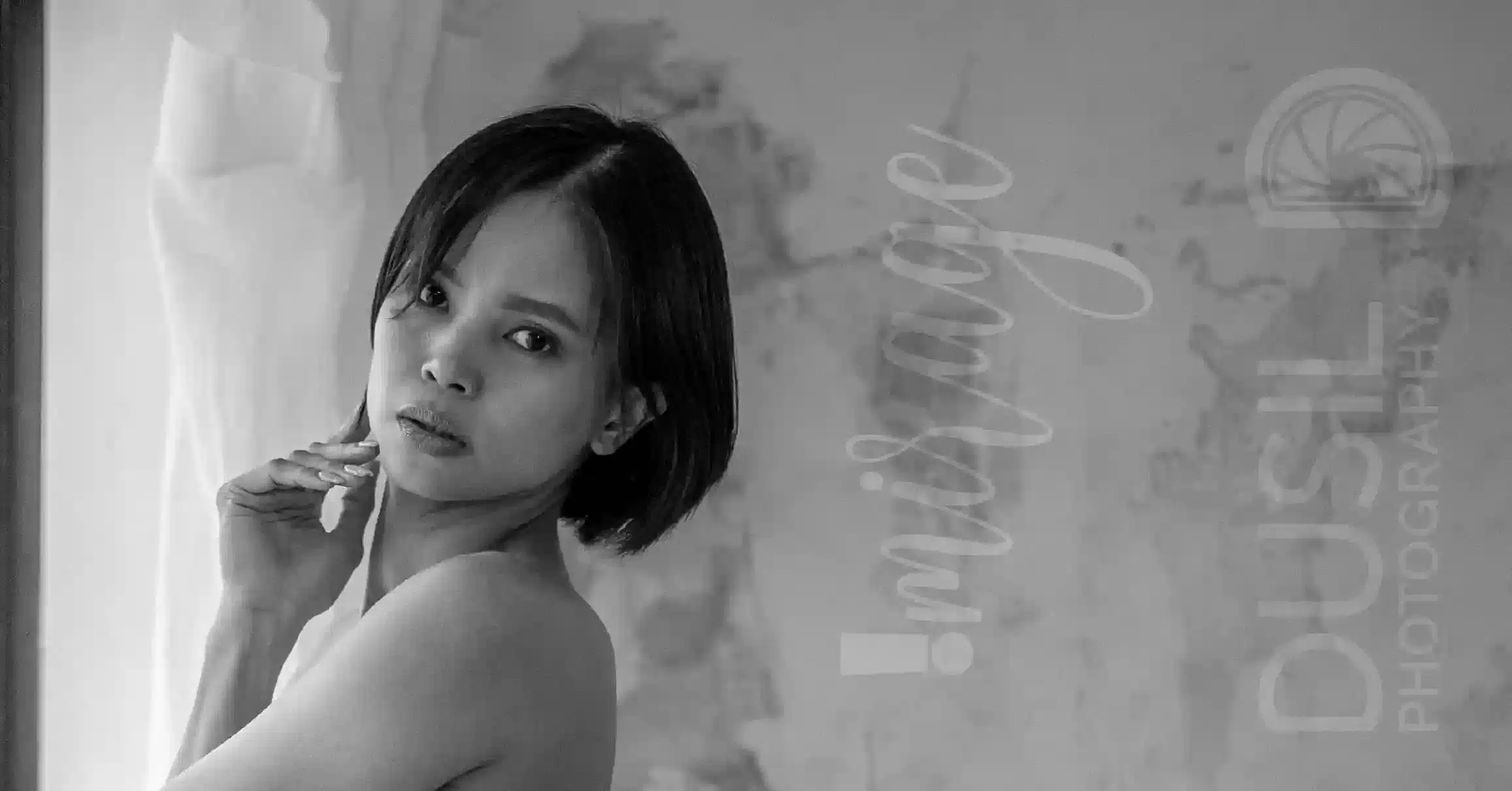
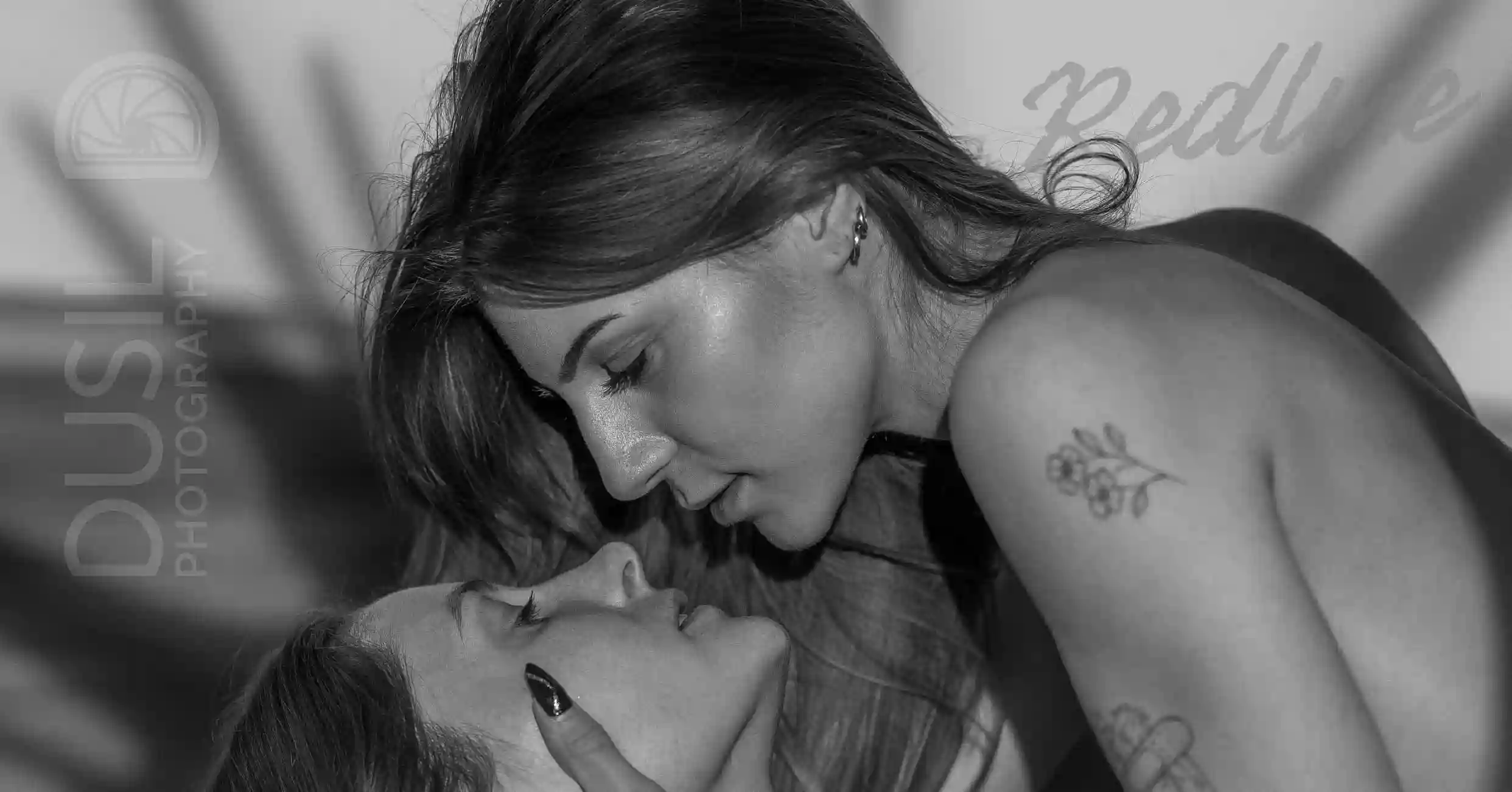
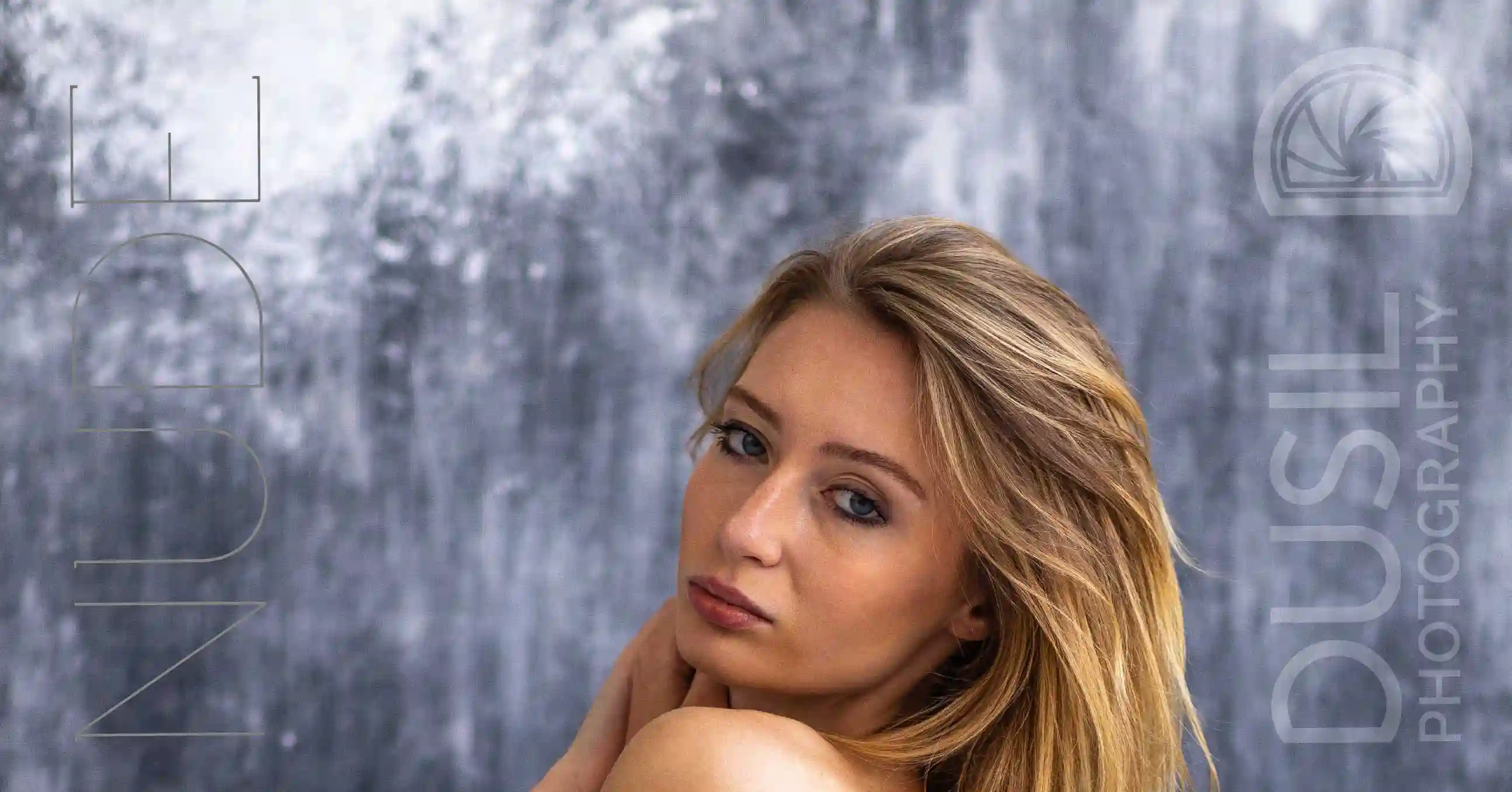
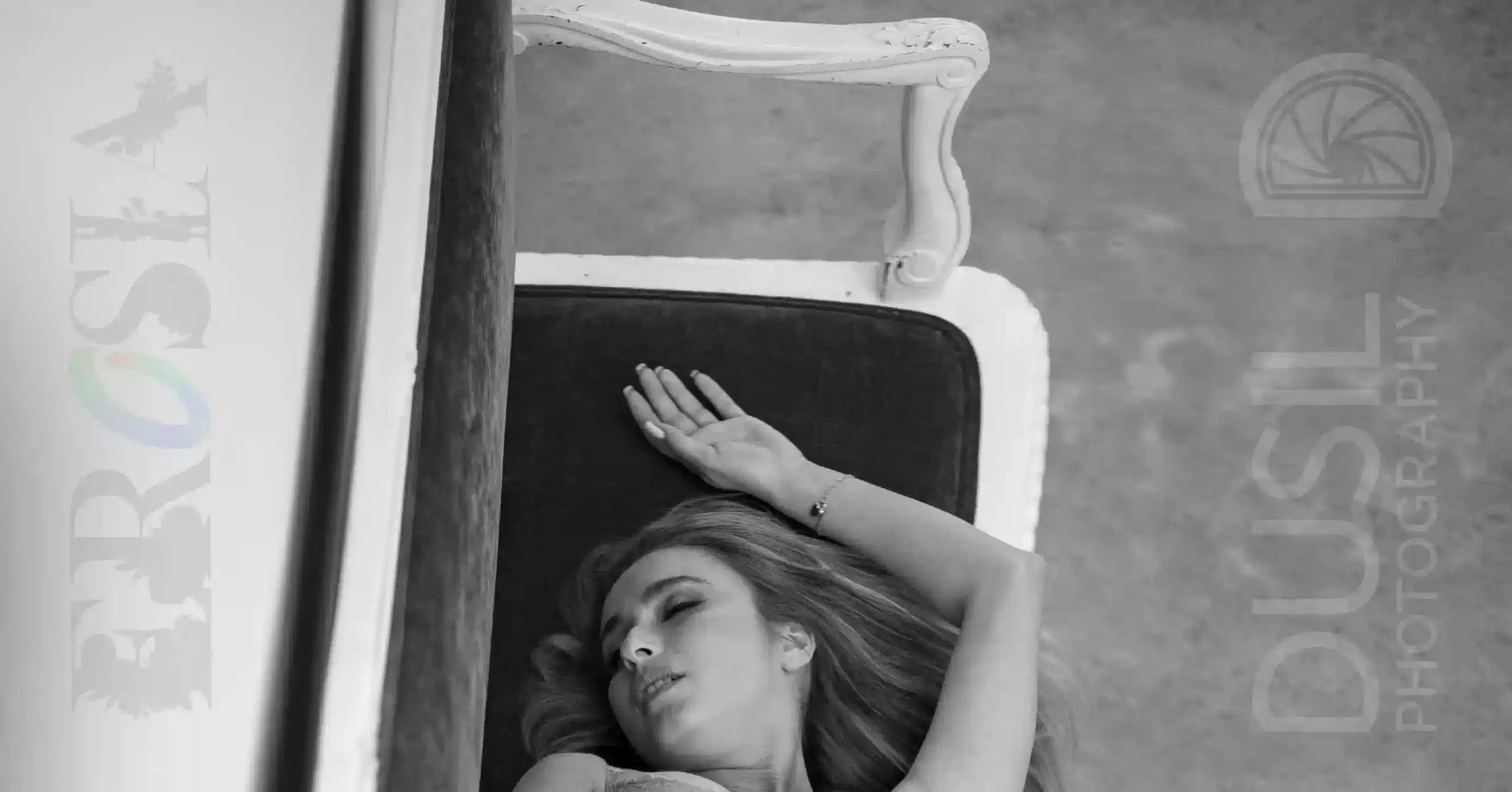
The illusion created by online content influencers is no different from that of a professional photographer. But the difference is more subtle. A model may assume an incredibly difficult pose while making it look effortless. Is this a façade, or are we witnessing her soul being revealed? It’s both. Performative behavior is synchronized with the truth. There is transparency in the performance. It’s real and a fantasy at the same time. Editing a photo brings into focus the art that the model represents. Everything is staged, yet her soul is speaking. Touch-ups are necessary because imperfections distract from the central theme. The 330 billion US$ cosmetics industry exists for a reason¹. Archaeological evidence suggests that mixed pigments used for body art date as far back as 100,000 years. Stylizing our image is core to our ego and vanity. It’s in our DNA. Understanding our world means distinguishing truth from fiction, even when both are playing simultaneously. The younger generation needs to differentiate the relenting flow of theatrics from their individual self-worth.
Whether it’s social media, mainstream media, or anything in between, it’s important to recognize that we’re always watching meticulously crafted performances. GenX knew this before the internet; we just need to remind the generations that follow: Not much has changed over the years – only the technology has improved. Media consumption has been multiplied by orders of magnitude and delivered at a faster pace. Celebrities will always reflect the archetypal talents of our society. They’re hyper-polished versions of ourselves, and there’s nothing wrong with that. We just need to recognize that between masks and flesh lies the truth. We need to stop obsessing about becoming them and focus on being a better version of who we were yesterday.
¹Grand View Research, © 2025

Between masks and flesh lies the truth.
Tags
image manipulation, photoshop ethics, airbrushing debate, media realism vs illusion, social media psychology, instagram envy, fomo culture, digital beauty standards, body image issues, Gen Z social media impact, Gen X media perception, influencer culture critique, curated lifestyles online, advertising image editing, fashion photography retouching, realism in photography, entertainment vs reality, dopamine social media addiction, AI image generation impact, Gabriel Dusil, Dusil Photography, Gabriel Dusil Blog, Gabriel Dusil Article
#Hashtags
#SocialMedia #DigitalCulture #Photography #ArtPhotography #FineArtPhotography #VisualCulture #MediaLiteracy #BodyImage #SelfImage #MentalHealthAwareness #GenZ #GenX #InfluencerCulture #ContentCreation #DigitalArt #AIArt #Retouching #Photoshop #CreativeProcess #BehindTheScenes #EditorialPhotography #FashionPhotography #ConceptualPhotography #PhotographyCommunity #ArtDiscussion #ModernCulture #TruthInMedia #PerceptionVsReality #BoudoirPhotography #ArtNude #NudePhotography #GabrielDusil #DusilPhotography